Terms of the Vow
The wedding law required three things: witnesses, a kiss, and a promise made without a blade at the bride’s throat. It said nothing about the blade in her boot.
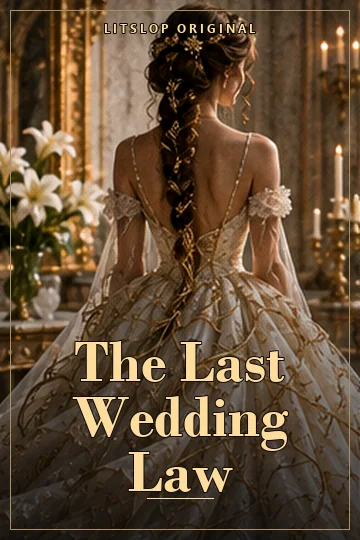
Mira had sewn enough royal wedding dresses to know the law by heart. She had stitched pearls into the sleeves of princesses who could not lift their arms and hidden lockpicks in the hems of women who had asked politely. This was the first time she had worn one of her own gowns. The bodice fit beautifully. She resented it.
Across the chapel stood the man she had been ordered to marry. Commander Ren wore black ceremonial armor and the expression of someone waiting for a tooth to be pulled. His job was to enforce the crown’s bargains, including the marriage contracts by which the kingdom kept its old magic bound. His last assignment had ended with Mira’s brother in a prison beneath the palace.
The queen raised her hand. “You understand the terms?”
Mira understood them perfectly. Marry Ren before sunset, give the crown a claim on her family’s gift, and her brother would be released. Refuse, and the queen would take the gift by less courteous means. The family gift was the ability to unmake a promise. In a kingdom built on binding vows, that made Mira useful and dangerous.
“I understand the terms you wrote,” she said.
Ren’s eyes flicked toward her. He had a scar through one eyebrow and a small tear in his glove. She had noticed both while fitting him for the ceremony. He had noticed the needle she held near his throat and had the courtesy not to mention it.
The witnesses signed. The priest opened the book. At the first exchange of vows, Mira felt the magic gather: a pressure behind her teeth, a tightening around the gold threads in her gown. Every stitch had been made by her hand. Every stitch held a word she had not spoken aloud.
Ren took her hand. “I promise to keep you safe,” he said.
The magic caught. Mira felt the truth of it, and beneath the truth, a hidden condition: as long as keeping her safe did not conflict with his duty to the crown. She almost laughed. Men at court had made careers from smaller lies.
“I promise,” she said, “that neither of us will die for the queen’s bargain.”
The gold threads pulled tight. The priest stumbled. The queen’s smile vanished.
“That is not the vow,” she said.
“It is a vow.” Mira turned to the priest. “The law does not prescribe the words.”
Ren’s grip tightened. His expression had changed from resignation to alarm. “What did you do?”
“Gave us a reason to cooperate.”
The queen ordered the guards forward. They stopped at the chapel threshold, hands on their swords, as the gold embroidery lifted from Mira’s skirt. Filigree uncurled through the air and wrapped itself around Ren’s wrist, then hers. The law had accepted the promise. Anyone who tried to kill either of them in service of the bargain would break it, and the magic would take payment from the person who had demanded it.
The queen understood before the others. She stepped back.
From beneath the chapel came a heavy bell, followed by the grind of a prison gate opening. Mira’s brother had warned her that the oldest bargains had a life of their own. She had thought he meant it as a figure of speech.
Ren drew his sword, not toward her but toward the floor. “Whatever you just freed,” he said, “the queen didn’t put it there.”
The stone between them cracked. A voice rose from below, amused and very old. “At last,” it said. “A wedding worth attending.”
End of the free first chapter. Keep reading in the app · more political marriage